



You can be the smartest person in the room and still be the least understood.
In social situations, intelligence is not always shown by how much you say. Sometimes, it is shown by knowing when to speak, when to listen, and when a simple response is better than an impressive one.
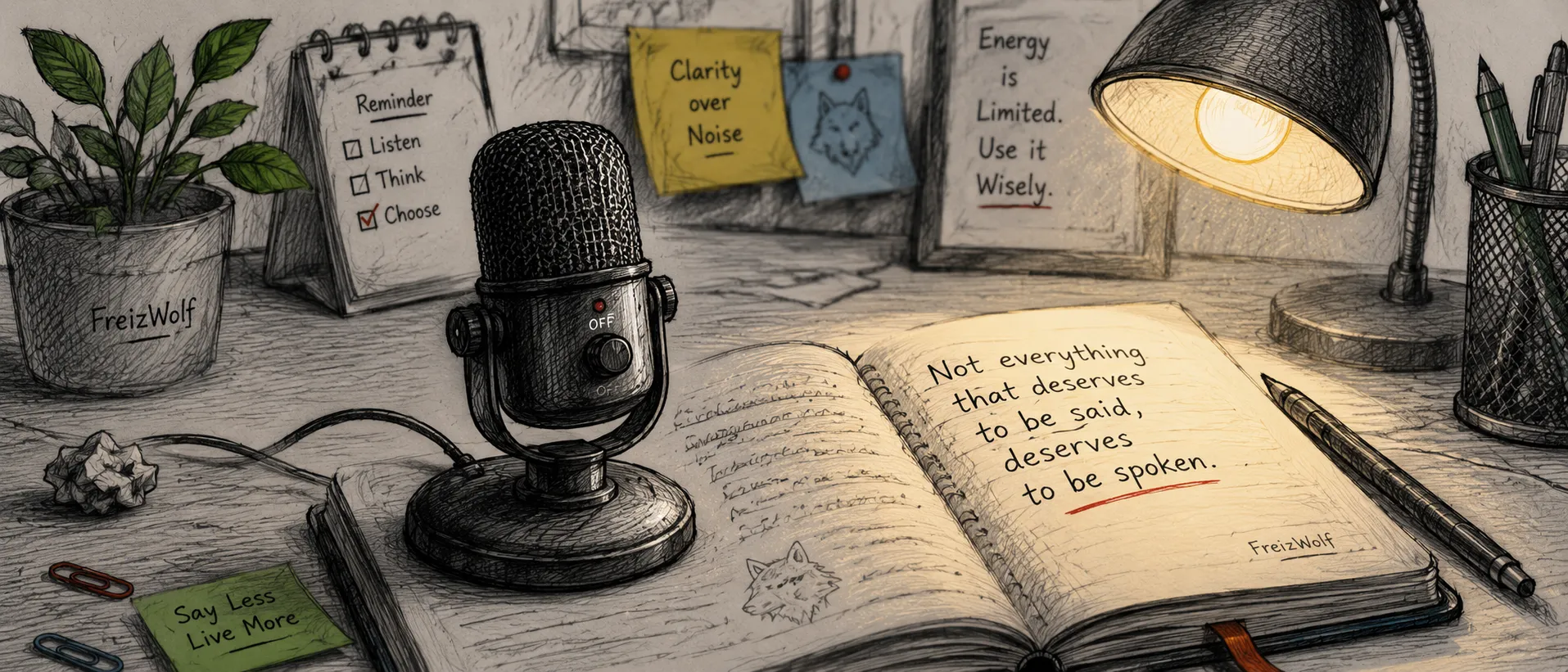
Reading the room means paying attention to more than words. Notice the tone of a conversation, the energy of the people around you, and the moments when someone suddenly becomes quiet. A good conversation is not a stage where everyone competes to be heard. It is a space where people respond to what is happening.
This skill can prevent unnecessary conflict, awkward moments, and the habit of trying too hard to prove yourself. You may know the answer, but that does not mean the moment needs your answer. You may have a better story, but someone else might simply need to be heard.
There is also a quiet confidence in holding back. You stop measuring your value by how often people notice your intelligence. Instead, you become someone who understands the situation before deciding how to respond.
That kind of awareness becomes useful everywhere: friendships, work, family, and unfamiliar social spaces.
The next time you enter a conversation, resist the urge to immediately contribute. Watch first. Listen carefully. Let the atmosphere tell you what the moment actually needs.
Silence within Freedom
