



Trust rarely breaks because of the truth. It breaks when someone makes you discover the truth on your own.
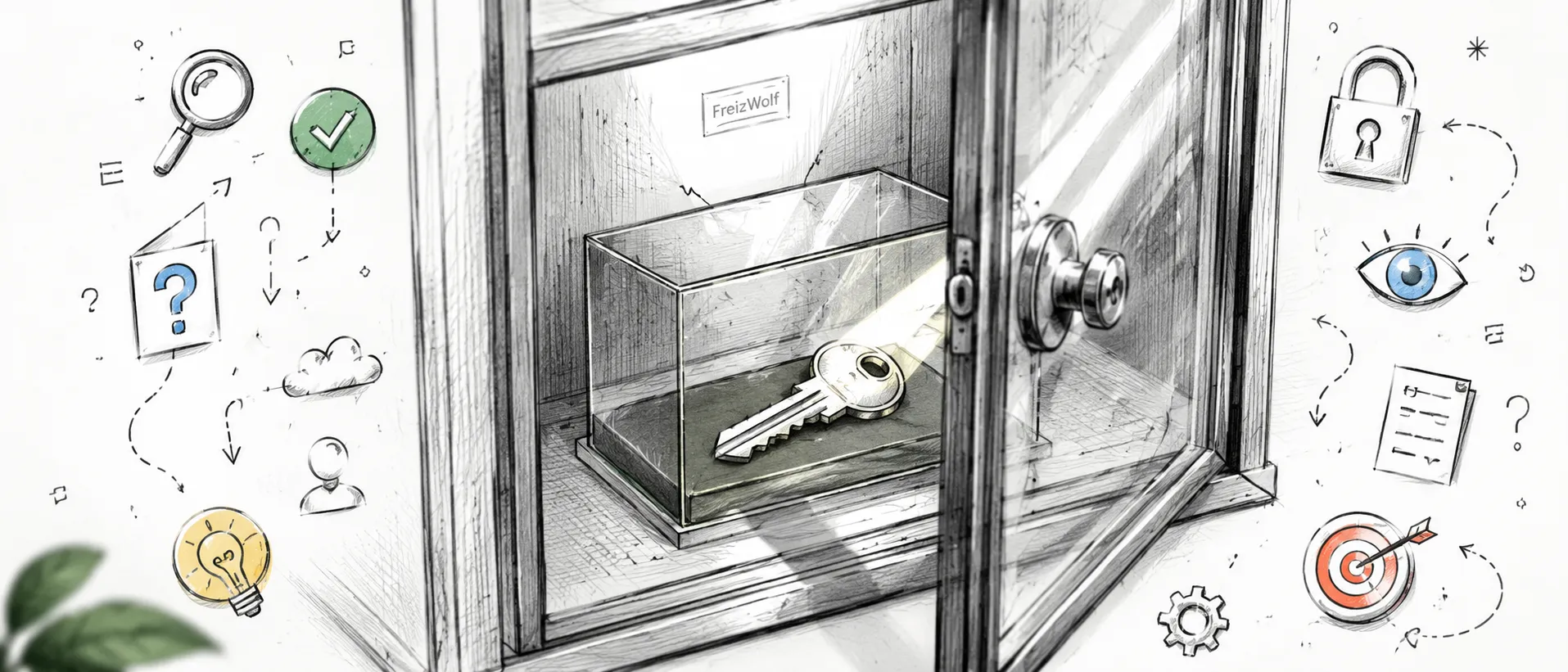
There is a different kind of pain in finding out something that someone deliberately chose to hide. The problem is no longer just what happened. It becomes the question of what else was hidden, how long it was hidden, and whether anything you were told was real.
Honesty does not always make a situation easier. Sometimes the truth hurts, changes relationships, or forces difficult decisions. But being told the truth gives you something important: the ability to decide what happens next.
“Tell me before I find out. I can handle the truth. I cannot rebuild trust around a lie.”
That distinction matters. A mistake can sometimes be understood. A difficult decision can sometimes be forgiven. But deception creates another problem because it removes your ability to make an informed choice.
Once someone discovers that information was intentionally kept from them, even ordinary moments can start to feel suspicious. A simple message may raise questions. A small change in behavior may feel significant. Trust becomes harder because the mind starts looking for what is missing instead of believing what is present.
This does not mean every secret deserves immediate judgment. People have privacy, fears, and reasons for staying silent. But when something directly affects another person’s trust, hiding it can create consequences far beyond the original problem.
If you care about someone, tell them before they have to discover it themselves. You may not control their reaction, but at least you give them the respect to choose what comes next.
Silence within Freedom
